



NEWS&EVENTS
Home > News&Events > Company news > Design advantages of pyrometallurgical antimony ore process flow
Pyrometallurgy is the mainstream process for extracting metallic antimony, and optimizing its technical process is of great significance for improving energy efficiency and achieving green production. The modern advanced pyrometallurgical antimony refining process, through systematic design, has significant advantages in energy utilization and environmental protection, achieving both economic and environmental benefits.
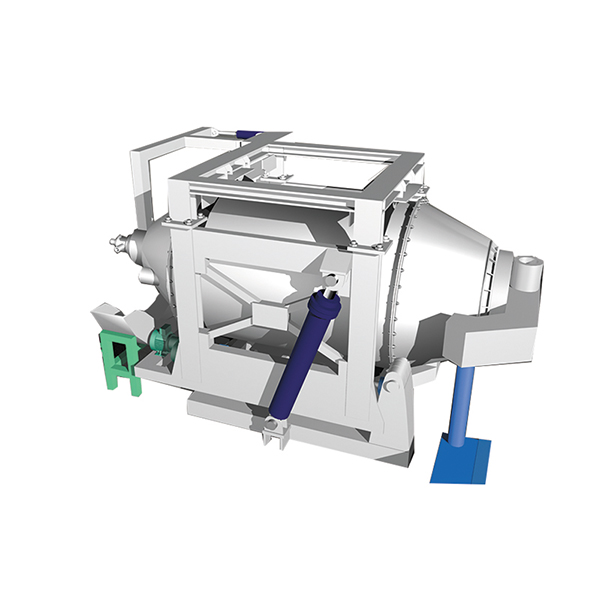
The process design highlights energy cycling and efficient utilization. Traditional smelting has high energy consumption and severe heat loss. The improved process realizes the step-by-step utilization of thermal energy and internal circulation. If the high-temperature flue gas generated by the high-temperature rotary furnace is introduced into the rotary kiln process to provide a heat source, completing the "heat relay" and significantly recovering high-temperature waste heat. This reduces dependence on fresh fossil fuels, reduces energy consumption and carbon emissions, improves thermal efficiency, lowers overall operating costs, and embodies the principles of circular economy and clean production.
This process constructs a complete environmental closed-loop treatment system to achieve resource utilization and standardized emissions. Smelting flue gas undergoes multi-stage purification and recovery, and is first introduced into an efficient dust removal system to capture and recover smoke and dust rich in antimony trioxide, thereby improving resource utilization and economic benefits; Then enter the deep purification device such as desulfurization to remove harmful gases and ensure that the concentration of exhaust pollutants is much lower than the national standard. This combined treatment reduces environmental load and explores additional value, which is a practice of green metallurgy concept.
The modern pyrometallurgical antimony refining process integrates energy conservation, consumption reduction, and pollution prevention into the production line through two core designs: energy recycling and environmental closed-loop treatment, achieving a win-win situation between environmental protection and resource recovery. This process design represents the advanced direction of the transformation of the non-ferrous metal smelting industry towards high efficiency, low carbon, and cleanliness, and has important demonstration significance for the sustainable development of the industry.