In the field of scrap copper recycling and reuse, electrolytic refining in electrolytic cells plays a crucial role. It can efficiently convert scrap copper into high-purity copper products, achieving resource recycling. The following will detail the electrolytic refining process of scrap copper in an electrolytic cell.
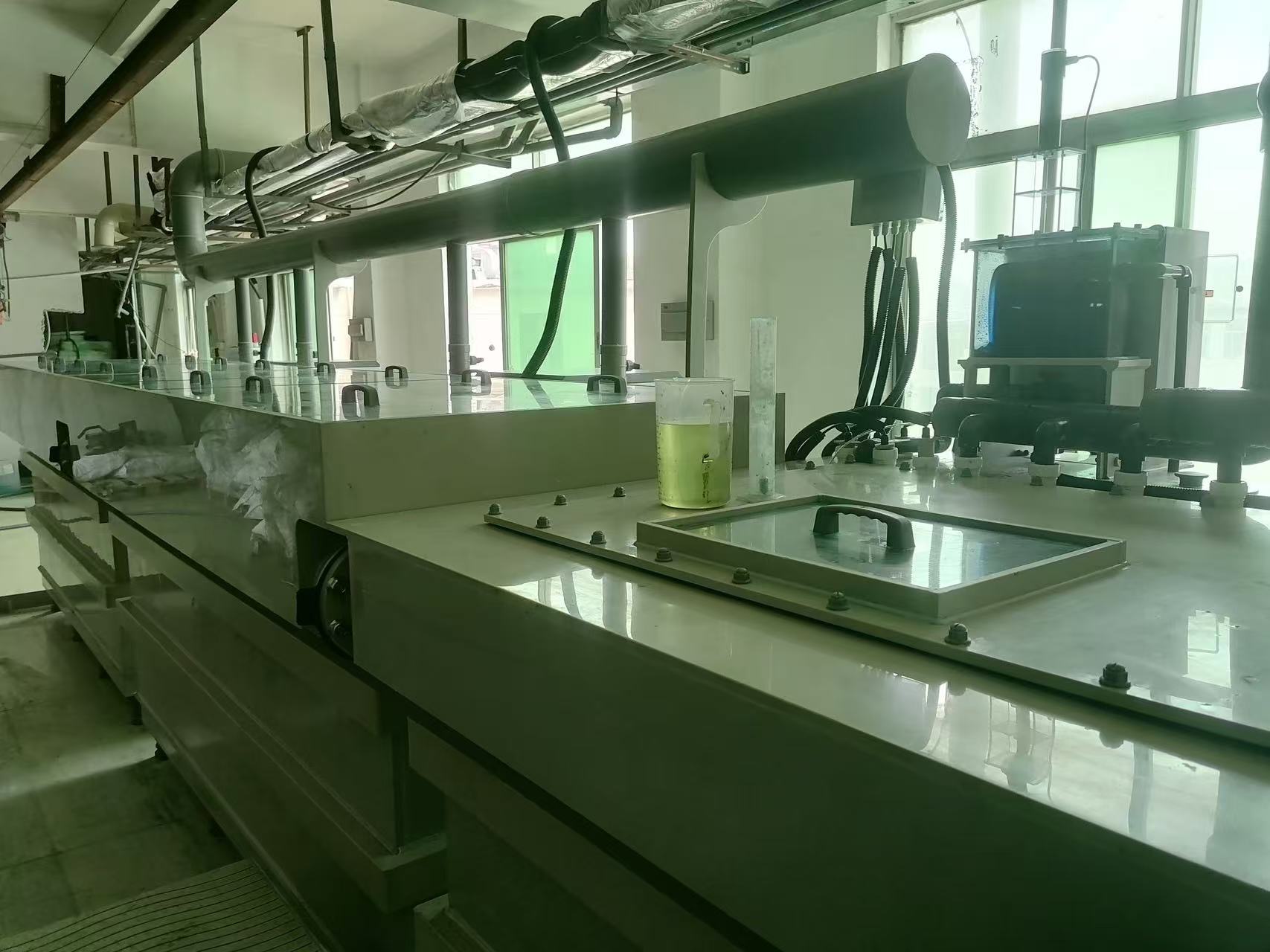
Configuration: In the electrolytic cell, an anode plate produced by pyrometallurgical refining is used as the anode, and a thin pure copper sheet (starter plate) or a stainless steel base plate is used as the cathode. The electrolyte is an acidic solution containing copper sulfate and free sulfuric acid.
Powering on: Applying direct current.
Electrochemical process:
Anodic reaction: Copper (Cu) in the anode plate loses electrons and dissolves into the electrolyte as copper ions (Cu2?): Cu - 2e? → Cu2?
Cathode reaction: Copper ions (Cu2?) in the electrolyte gain electrons at the cathode, are reduced to pure copper, and deposited on the cathode: Cu2? + 2e? → Cu
Impurity trajectory:
Precious metals, such as gold, silver, platinum, and palladium, are insoluble and settle to the bottom of the electrolytic cell as tiny particles, forming "anode mud." Anode mud is an important and valuable raw material for extracting these precious metals.
Base metals, such as iron, zinc, and nickel, will dissolve into the electrolyte before copper, but will not deposit on the cathode (requiring higher voltage), thus remaining in the electrolyte. Their concentration needs to be controlled through periodic electrolyte purification.
Harmful impurities, such as arsenic, antimony, and bismuth, partially enter the electrolyte and partially enter the anode mud, requiring strict control.
Packaging: After the electrolysis cycle, the cathode copper with a thick layer of pure copper deposits is removed, cleaned, and packaged to become the final product. The consumed anode plates (residual electrodes) are returned to the anode furnace for remelting.
Through the electrolytic refining process described above in the electrolytic cell, scrap copper can be efficiently converted into high-purity copper products, which not only improves the utilization rate of copper resources but also reduces environmental pollution, resulting in significant economic and environmental benefits.