The smelting of scrap copper is not a simple melting process. A series of key auxiliary processes are involved, which play an indispensable role in improving smelting quality, reducing costs, protecting the environment, and achieving comprehensive resource utilization.
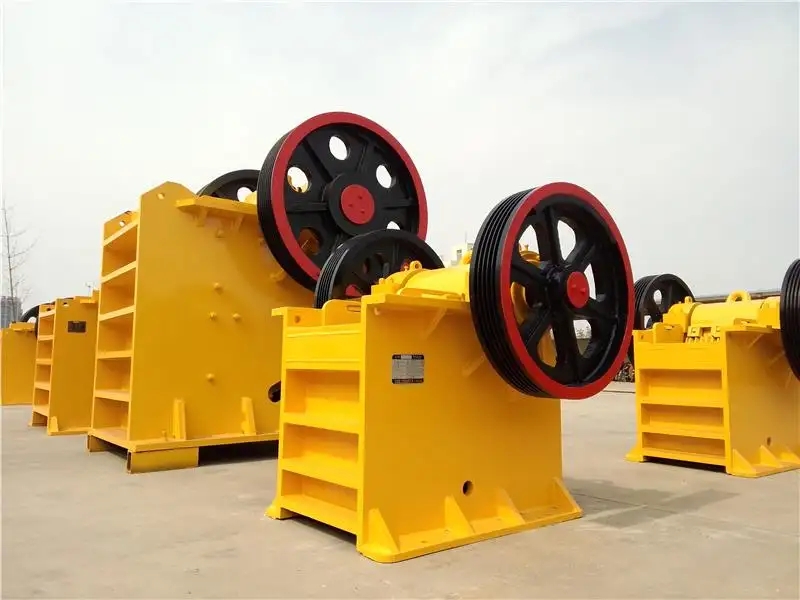
The pretreatment system is the first step in scrap copper smelting, and its treatment effect directly affects the efficiency and cost of subsequent smelting. First, scrap automobiles and electrical appliances are dismantled manually or mechanically to precisely separate copper components. Next, loose, lightweight materials are compacted into blocks for easy transportation and feeding. Then, large pieces of scrap are crushed into suitable smaller pieces. Finally, technologies such as magnetic separation to separate iron, air separation to separate lightweight plastics and dust, and eddy current separation to separate non-ferrous metals are used to significantly improve the purity of the copper material.
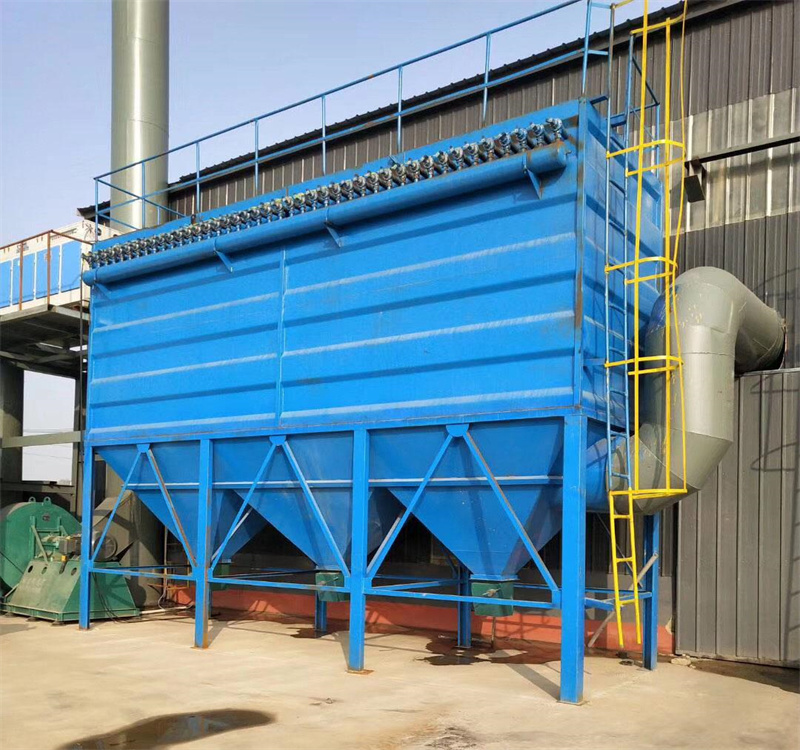
The flue gas treatment system targets the large amounts of dust-laden and sulfur dioxide-laden flue gas generated from waste copper smelting, especially pyrometallurgical refining. A waste heat boiler recovers heat from the high-temperature flue gas for steam production or power generation; electrostatic precipitators or bag filters efficiently remove dust from the flue gas; and the desulfurization system uses limestone-gypsum methods to absorb SO?, producing gypsum to achieve sulfur fixation and resource recovery.
The treatment of anode slime is equally crucial. Anode slime is rich in valuable metals such as gold and silver, and recovering these metals from anode slime is an important source of profit growth for copper recycling plants.
These key auxiliary processes work together to ensure the high efficiency, environmental friendliness, and economy of scrap copper smelting, and promote the sustainable development of the scrap copper resource recycling industry.