



NEWS&EVENTS
Copper sulfide ore is an important type of copper ore, primarily composed of chalcopyrite (CuFeS?). Due to its low copper content, it requires a series of smelting processes to extract metallic copper. Modern industry primarily utilizes pyrometallurgy, with the core processes including enrichment, smelting, converting, and refining.
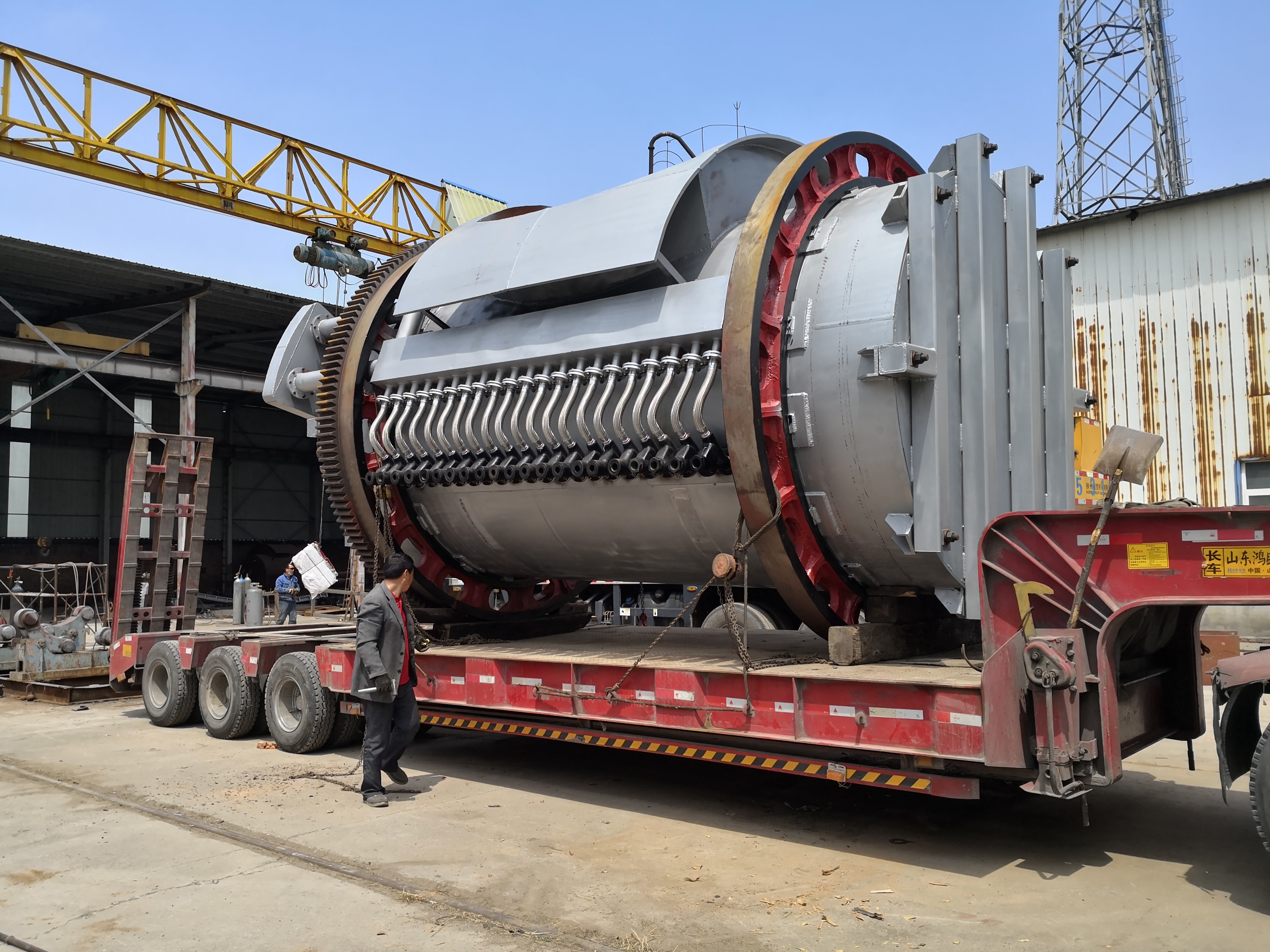
Step 1: Ore enrichment
Copper sulfide ore is first crushed and ground before being enriched by flotation. By adding collectors and frothers, bubbles attached to the copper-bearing minerals float to the surface, resulting in a copper concentrate (containing approximately 20%-30% copper), significantly reducing subsequent processing effort.
Step 2: Melting
Copper concentrate is fed into a furnace for high-temperature smelting. In an oxidizing atmosphere, some ferrous sulfide (FeS) is oxidized to ferrous oxide (FeO), which reacts with silicon dioxide (SiO?) to form slag. Cuprous sulfide (Cu?S) reacts with unreacted FeS to form matte (40%-70% copper). The slag is separated and discharged due to its low density.
Step 3: Refining
The matte is transferred to a converter and blown with air. Through oxidation, the remaining FeS is further oxidized to form slag, while the Cu?S is converted into blister copper (about 98.5% copper).
Step 4: Refining
Crude copper requires further refining to increase its purity. During pyrometallurgical refining, the crude copper is melted and oxidized to remove minor impurities (such as arsenic and antimony). Anode copper (99.5% copper) is then produced through a reduction reaction. Electrolytic refining then proceeds, using the anode copper as the anode, a thin sheet of pure copper as the cathode, and a copper sulfate solution as the electrolyte. When electricity is applied, the anode copper dissolves, and pure copper precipitates at the cathode, ultimately yielding electrolytic copper with a purity of up to 99.99%.
To sum up, from low-grade copper sulfide ore to high-purity electrolytic copper, modern pyrometallurgy has gradually achieved efficient extraction and purification of copper through four core steps: enrichment, smelting, blowing and refining.