



NEWS&EVENTS
Home > News&Events > Company news > What steps are included in the process of copper smelting in a reverberatory furnace?
Reverberatory furnace copper smelting, a traditional and mature copper smelting process, holds a crucial position in the copper smelting industry. Its unique process characteristics enable it to process copper concentrates of varying grades, effectively extracting copper from ore. The process encompasses multiple key links, from meticulous raw material preparation to a series of complex and systematic subsequent operations. Each step is closely interconnected and mutually influential, ensuring the efficiency and stability of the copper smelting process. The following details the process flow of reverberatory furnace copper smelting.
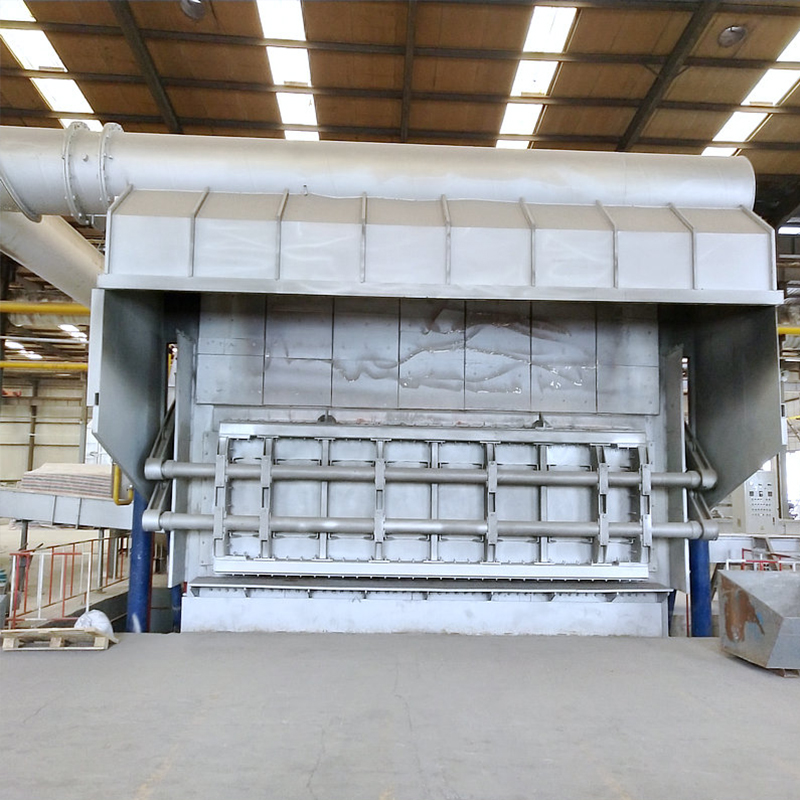
Raw materials preparation:
Copper smelting from raw concentrate: High-grade copper concentrate is directly put into the furnace after drying. The process is short but the melting speed is slow.
Roasted sand copper smelting: Low-grade high-sulfur copper concentrate is first roasted for desulfurization, and then the roasted sand is put into the furnace. It consumes less fuel but the process is complicated.
Ingredients and Mixing:
According to the concentrate composition, refractory (high SiO?, Al?O?) and fusible concentrates are matched, and fluxes such as quartz stone and limestone are added. The mixture is evenly mixed through wet ball milling to increase the melting speed.
Adding and melting:
Charge is added through a charging pipe at the top of the furnace, forming a ramp to protect the furnace walls. The ramp height should be moderate (e.g., for an 8-meter-wide furnace, the ramp height should be controlled between 1100 and 1200 mm) to avoid reducing the radiant heat transfer due to the narrow exposed surface of the molten pool.
Smelting reaction:
The charge is dehydrated and decomposed on the charge slope and then melted, flowing into the molten pool to react with the converter slag (containing Fe?O?) to produce copper matte and slag.
Putting copper matte and removing slag:
The copper matte is discharged from the copper outlet by siphoning or drilling, and the slag is treated by water quenching or hot transportation.
The reverberatory furnace copper smelting process achieves efficient copper smelting through a series of meticulous steps, including raw material preparation, batching and mixing, charging and melting, smelting reaction, matte discharge, and slag removal. Although new copper smelting technologies continue to emerge with technological advancements, reverberatory furnace copper smelting, with its mature, reliable, and adaptable advantages, continues to play an irreplaceable role in specific fields and contributes significantly to the development of the copper smelting industry.