



NEWS&EVENTS
Home > News&Events > Company news > Factors affecting the direct recovery rate of copper smelting in anode furnaces
In the rotary anode furnace process of pyrometallurgical copper smelting, anode copper is lost from the production line in different forms at multiple links of the process and becomes an intermediate material, resulting in a generally low direct copper recovery rate in this process. In view of the current situation, measures are taken at various links to reduce the loss of copper in the production process, so that the direct copper recovery rate is greatly improved.
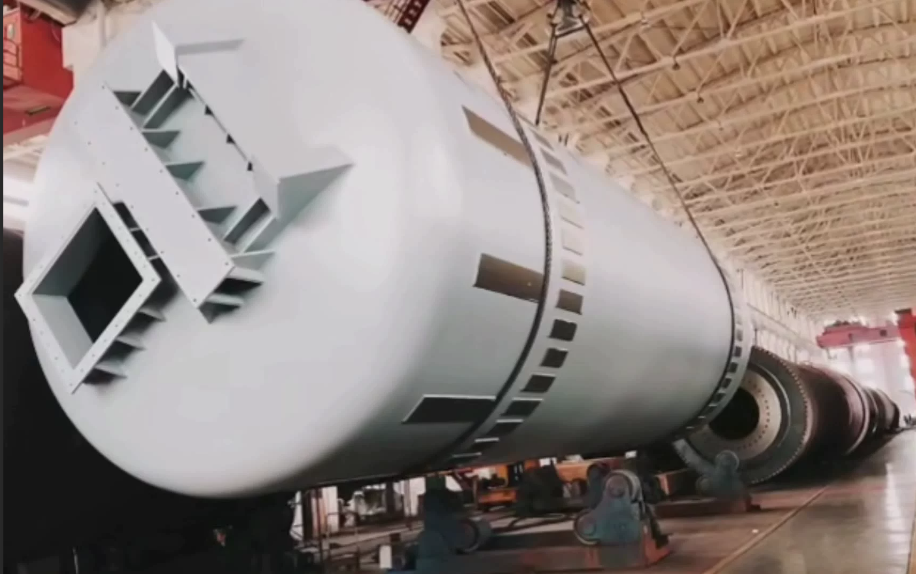
The process adopts flash smelting, PS converter blowing and rotary anode furnace refining. The anode furnace process is divided into two parts: rotary anode furnace refining and disc casting machine. The high-temperature liquid crude copper produced by the main converter contains more than 98.5% copper. It is added to the anode furnace by the crane and then undergoes oxidation-reduction refining to become anode copper with a copper content of more than 99.2%. It is then diverted to the disc casting machine by the chute for anode plate casting. Qualified anode plates are delivered to the electrolytic workshop as the main product of the process for electrolytic refining. Combined with production practice, the main factors affecting the direct recovery rate of copper in the refining and casting process are analyzed; by formulating relevant measures and fine management, the direct recovery rate of copper in the anode furnace process is improved.
Through production analysis, it is concluded that the key processes that affect the direct recovery rate of copper in the rotary anode furnace process are: the anode furnace refining process and the disc casting process. In the entire process, the input material is crude copper from the converter, and the main intermediate materials produced are: refining slag, waste anode plates, waste copper molds, and waste copper. To increase the direct recovery rate of copper, the copper content of refining slag, waste anode plates, waste copper molds, and waste copper must be reduced. That is, the loss of copper in refining slag, waste copper, waste anode plates, and waste copper molds must be controlled. It can be seen from the above that the main factors affecting the direct recovery rate of copper in the anode furnace are: the loss of copper in the refining slag during the slag discharge process after the oxidation is completed.