



NEWS&EVENTS
Home > News&Events > Company news > Anode furnace direct smelting process of high-grade scrap copper
In the copper recycling industry chain, the recycling and smelting of high-grade scrap copper is crucial due to its high economic value and environmental benefits. This type of scrap copper, such as clean copper wire and copper rice, has a copper content exceeding 99% and produces minimal pollution. Modern copper smelting companies often use a "short process"—directly smelting and refining anode plates in an anode furnace.
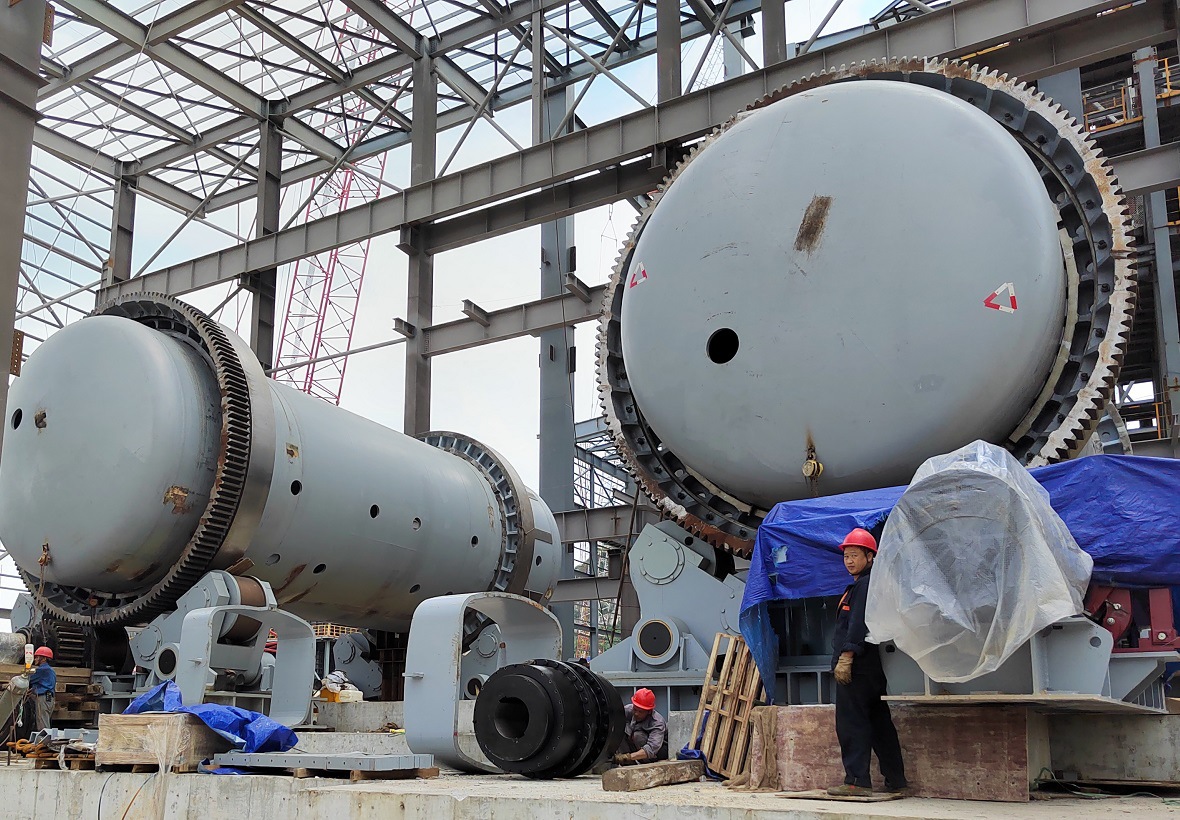
The advantage of this process is that it simplifies the process and omits the high-energy-consuming melting and blowing steps. The key steps are as follows:
The first step is charging and melting. Pre-treated, high-grade copper scrap is fed into the anode furnace via a charging system. Fuel combustion within the furnace generates high temperatures, melting the scrap into molten copper. Because the raw material is pure, melting is smooth, with minimal smoke, dust, and slag.
The second step is redox refining. This is the key to ensuring the quality of anode plates. After melting, the copper melt undergoes an "oxidation phase," where compressed air or pure oxygen is introduced into the molten copper to oxidize impurities into scum, which is then scraped off. This phase then enters a "reduction phase," where natural gas, ammonia, or other reducing agents are used to reduce excess copper oxide and remove trace amounts of oxygen and sulfur, bringing the copper melt to a casting state.
The third step is casting. Once the copper liquid reaches the required composition and temperature, it is poured into a holding furnace and cast into anode plates using an automatic ingot casting machine. The anode plates have a smooth surface and consistent specifications, providing a perfect initial cathode for electrolytic refining.
In short, the process of directly smelting high-grade scrap copper in the anode furnace takes advantage of the purity of raw materials, forming a green metallurgical path with short process, low energy consumption, high metal recovery rate and environmental friendliness, reducing production costs, improving resource recycling efficiency, and providing technical support for copper.