



NEWS&EVENTS
Home > News&Events > Company news > Converter Converting Process for Extracting Copper from Sulfide Ores
Extracting copper from sulfide ores is a complex metallurgical process, with converter converting being a key step. Converting is the process used to further refine the molten copper matte (copper matte) into blister copper. This process not only efficiently removes impurities but also significantly increases the copper's purity, laying the foundation for subsequent refining.
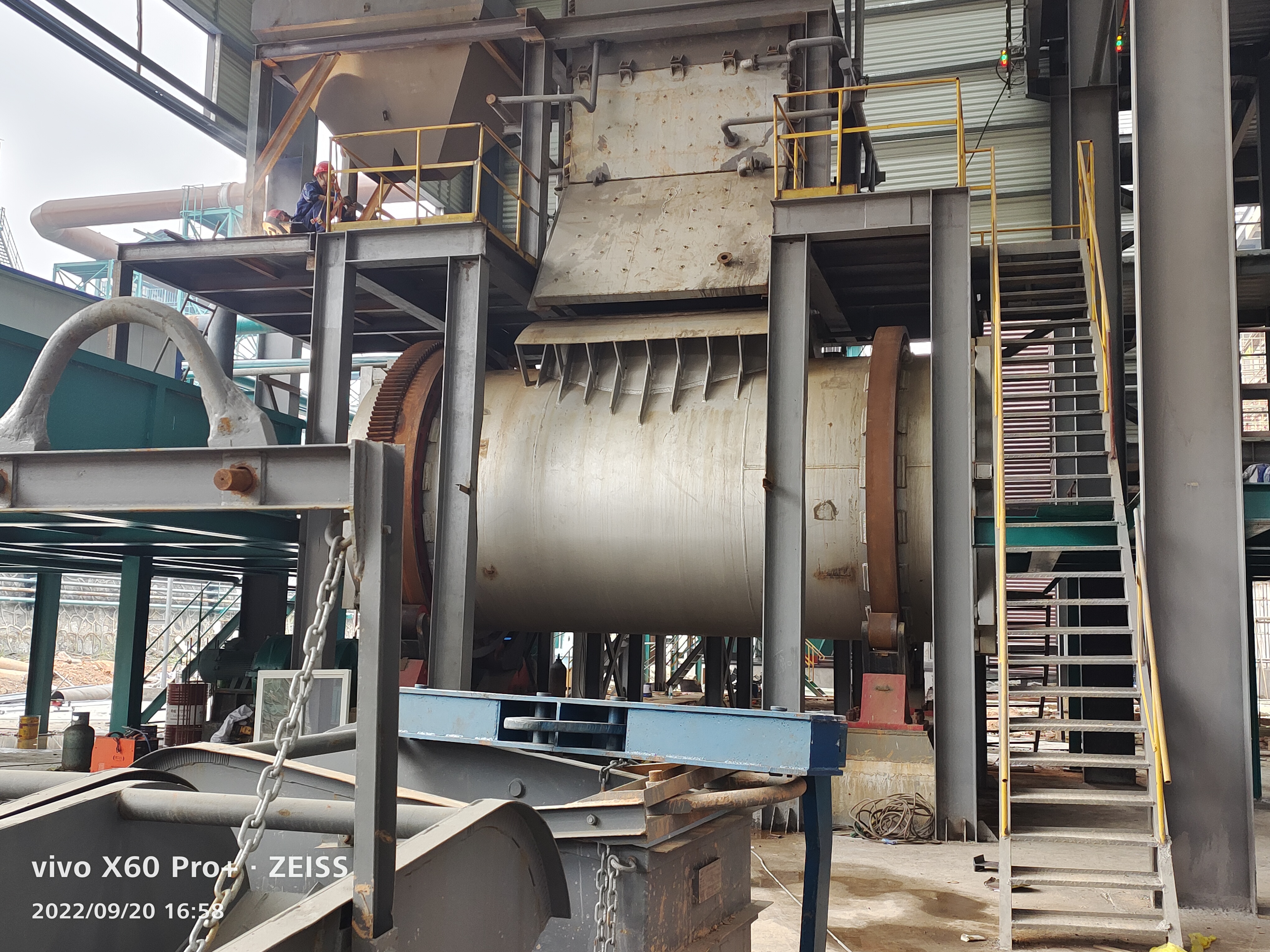
The converting process begins by transferring the molten copper matte into a converter. Matte, an intermediate product after smelting sulfide ore, primarily consists of cuprous sulfide (Cu?S) and ferrous sulfide (FeS). In the converter, air or oxygen-enriched air is blown into the melt through tuyeres to provide the oxygen required for the oxidation reaction. Converting is an intensely exothermic process, maintaining high temperatures (approximately 1200°C) without the need for additional fuel.
In the oxidizing atmosphere, iron and sulfur are preferentially oxidized. Ferrous sulfide reacts with oxygen to form ferrous oxide and sulfur dioxide. The ferrous oxide combines with added quartz flux to form silicate slag, which is periodically discharged from the converter. At the same time, sulfur escapes as SO? gas, which can be recycled for acid production, reducing environmental pollution.
As iron and sulfur are continuously removed, the concentration of cuprous sulfide in the melt gradually increases. Once impurities are largely eliminated, the remaining Cu?S undergoes oxidation to produce blister copper and SO?. The final product is called "blister copper," named for the bubble-like depressions formed on its surface during solidification due to the escape of SO?. The purity of blister copper is approximately 98.5% to 99.5%, with minor impurities primarily consisting of metallic elements such as iron, sulfur, arsenic, and antimony.
The converter blowing process is efficient and economical, enabling sulfur recovery and comprehensive slag utilization, reducing environmental impact. However, the blowing process requires precise control of air volume, temperature, and flux ratio to ensure a sufficient reaction and maximize copper recovery. Blister copper also undergoes pyrorefining and electrolytic refining to produce high-purity electrolytic copper. In short, converter blowing is one of the core technologies of copper smelting. It effectively removes iron and sulfur through oxidation reaction and converts matte into blister copper, which embodies the perfect combination of chemical principles and industrial practice in metallurgical engineering.