



NEWS&EVENTS
Home > News&Events > Company news > Reverberatory furnace pyrometallurgical smelting method for copper ore
The copper ore mined from the copper mine can be beneficiated to obtain a high-grade copper concentrate, that is, copper ore sand. The copper concentrate must be smelted in a reverberatory furnace to obtain refined copper and copper products. At present, there are two methods for smelting copper in the world, one is pyrometallurgical smelting and the other is hydrometallurgical smelting.
Pyrometallurgical smelting is to make the original ore containing a small amount of copper reach 20-30% after beneficiation as copper concentrate, and then smelt it in a closed blast furnace, reverberatory furnace, electric furnace or flash furnace to make matte. The matte (matte) obtained is then sent to the converter for blowing into crude copper, and then oxidized and refined in another reverberatory furnace to remove impurities, or made into anode plates to obtain electrolytic copper with a purity of 99.9%. The process is short and adaptable, and the copper recovery rate is 95%, but due to the sulfur dioxide waste gas generated during the regeneration and blowing process, it is difficult to recycle and reuse, and it is easy to cause environmental pollution. In recent years, there are smelting methods such as the silver method and the Noranda method, and the Japanese Mitsubishi method. Fire smelting has gradually developed towards continuous and automated directions.
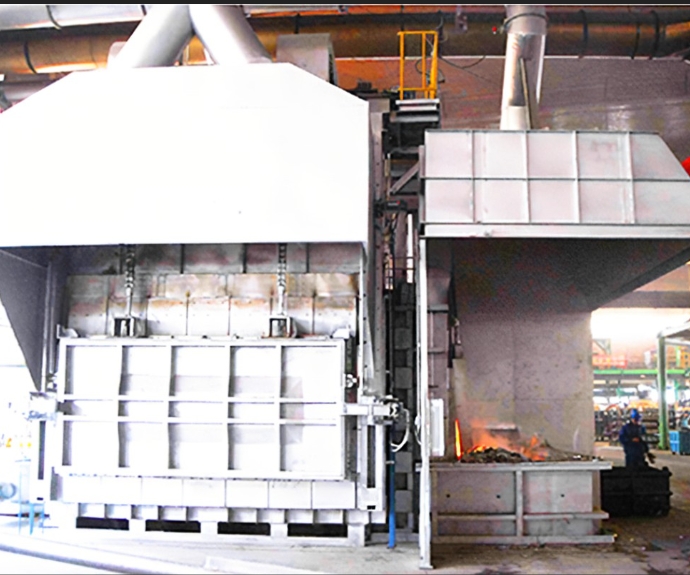
In addition to copper concentrate, scrap copper is also an important raw material for copper refining. It includes old scrap copper and new scrap copper. Old scrap copper comes from old equipment and old machines, abandoned buildings and underground pipes; new scrap copper comes from copper scraps discarded by processing plants (the output ratio of copper materials is about 50%). Generally, the supply of scrap copper is relatively stable. Scrap copper can be divided into: bare scrap copper: grade above 90%; yellow scrap copper (wire): copper-containing materials (old motors, circuit boards); copper produced from scrap copper and other similar materials is also called recycled copper.
So far, my country mainly uses fire smelting, accounting for about 85% of the global copper production. Cathode copper, also known as electrolytic copper, is prepared by two methods, such as melting and smelting in a reverberatory furnace and electrolytic refining, and is usually suitable for high-quality copper sulfide ores.