



NEWS&EVENTS
Home > News&Events > Company news > Precautions for smelting scrap aluminum in aluminum melting furnace
Smelting scrap aluminum in an aluminum melting furnace has great advantages: it has lower production costs, and it is a reuse of natural resources, which is also conducive to sustainable development. There are many types of scrap aluminum materials: scrap aluminum castings (mainly Al-Si alloys), scrap aluminum forgings (Al-Mg-Mn, Al-Cu-Mn and other alloys), profiles (Al-Mn, Al-Mg and other alloys) ) scrap cables (mainly pure aluminum), etc., sometimes even mixed with some non-aluminum alloy scrap parts (such as Zn, Pb alloy, etc.). Therefore, pretreatment is required before smelting. This article focuses on smelting, so we will not elaborate too much on the pretreatment process.
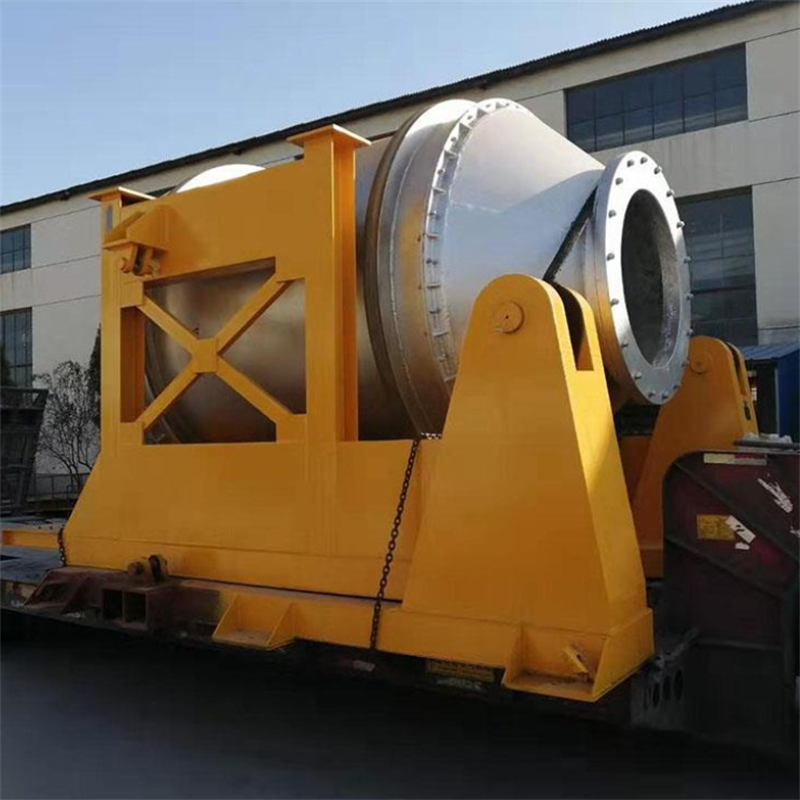
The aluminum alloy smelting process is as follows: furnace loading → melting (adding copper, zinc, silicon, etc.) → slag removal → adding magnesium, beryllium, etc. → stirring → sampling → adjusting ingredients → stirring → refining → slag removal → refining, deterioration and standing → casting . It should be noted that aluminum alloys have a strong tendency to produce pores and are also prone to oxidation inclusions. Therefore, in order to obtain high-quality aluminum alloy liquid, the smelting process must be strictly controlled and measures must be taken to control it from all aspects.
The melting process and melting speed have an important impact on the quality of aluminum ingots. When the charge is heated until softened, the flux should be properly covered. During the melting process, care should be taken to prevent overheating. After the melt level of the charge becomes level, the melt should be stirred appropriately to make the temperature consistent, which will also help accelerate melting. If the smelting time is too long, it will not only reduce the furnace production efficiency, but also increase the gas content of the melt. Therefore, when the smelting time is too long, the melt should be refined twice.
In addition, strict attention must be paid to the loading, slag removal, refining and other processes of the aluminum melting furnace.