



NEWS&EVENTS
Home > News&Events > Company news > How does the oxidation-reduction system of a tilting rotary copper furnace work?
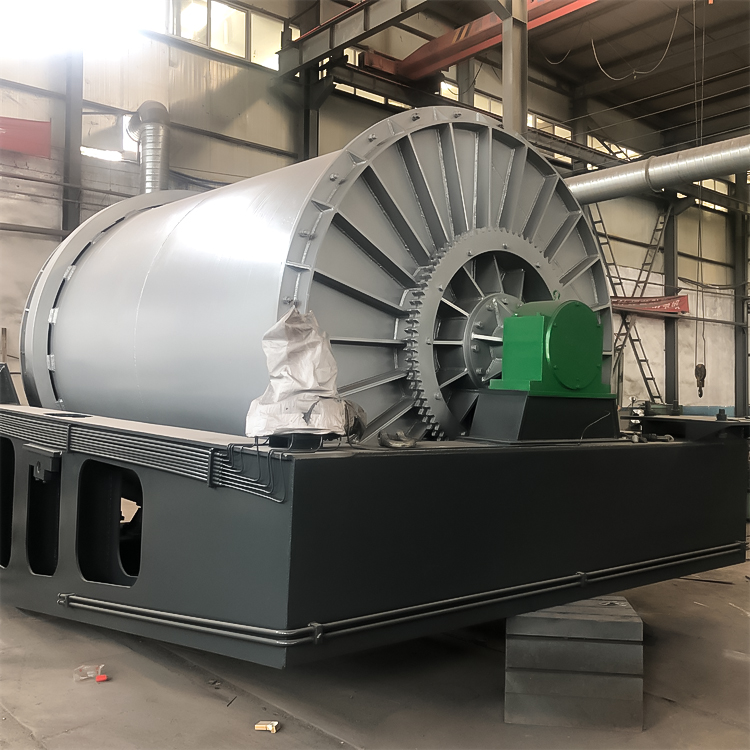
The oxidation-reduction system of the tilting rotary copper furnace achieves effective removal of impurities from the molten copper and refines the copper through two key stages: oxidation and reduction. Its working principle is as follows:
I. Oxidation Stage
Oxidizing Medium: Compressed air or oxygen-enriched air is used as the oxidizing medium. Oxygen-enriched air provides a more abundant supply of oxygen, enhancing the oxidation effect.
Operating Procedure: The tilting furnace body is tilted to a certain angle towards the casting side, allowing the oxidation air nozzle to be submerged below the molten metal. Then, compressed air or oxygen-enriched air is blown into the molten copper through the air pipe in the oxidation-reduction system, initiating the oxidation process.
Reaction Process: Under high-temperature conditions, impurity elements in the molten copper, such as lead, zinc, nickel, and tin, react chemically with the blown-in oxygen to form corresponding oxides. These oxides combine with pre-added slagging agents such as quartz (SiO?), forming slag. Due to the differences in density and other properties between the slag and the molten copper, separation occurs, thus removing impurities.
II. Reduction Stage
Operating Procedure: The tilting furnace body is maintained at a suitable angle, and a specific medium is blown into the molten copper through the air pipe of the oxidation-reduction system. This medium undergoes cracking under high-temperature conditions, producing reducing gases.
Reaction Process: The reducing gases react with copper oxide (CuO) in the molten copper, gradually reducing the oxygen content in the molten copper. During this process, gaseous products such as carbon dioxide (CO?) and water vapor (H?O) are generated and promptly discharged from the furnace through the exhaust system, ultimately resulting in relatively pure molten copper.
The copper tilting rotary furnace, with its unique oxidation-reduction device and scientific working method, plays a crucial role in the field of copper smelting, providing a solid guarantee for the production of high-quality copper products and strongly promoting the sustainable development of the copper smelting industry.