



NEWS&EVENTS
Home > News&Events > Company news > Selection and Configuration Guide for Rectangular Aluminum Melting Furnaces
Rectangular aluminum melting furnaces are core melting equipment in the aluminum industry. The rational selection of their tonnage and configuration directly impacts production efficiency, energy consumption, and product quality. Different application scenarios have varying requirements: recycled aluminum plants, dealing with diverse and heavily contaminated scrap, need to prioritize furnace door structural strength and exhaust gas treatment capabilities; foundries focus on alloying flexibility and temperature uniformity, making mechanical or electromagnetic stirring suitable; aluminum profile manufacturers often use them in conjunction with homogenization furnaces, requiring high melting speed and continuity; and aluminum sheet, strip, and foil manufacturers pursue large capacity and high stability melting to ensure precise alloy composition and clean molten metal.
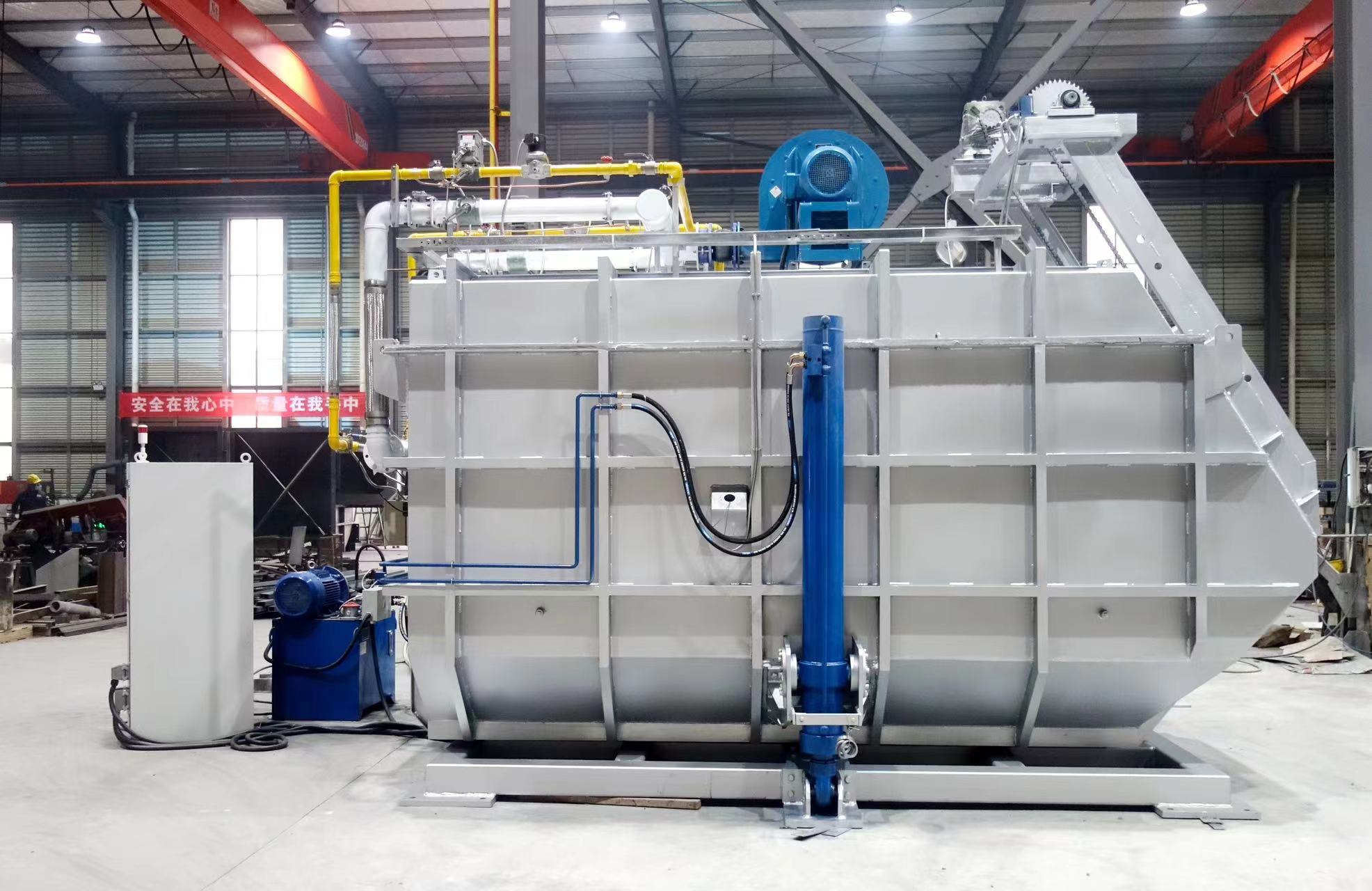
A simplified selection process can follow these steps: First, determine the basic tonnage based on daily output and production rhythm. It is generally recommended to choose a furnace with a capacity 1.2-1.5 times the daily processing volume to balance production efficiency and flexibility. Second, consider the raw material form – block aluminum scrap can use conventional feeding methods, while chips and thin materials require a dedicated feeding machine or a side-well furnace to reduce burning loss. Finally, combine the product alloy grade and quality requirements. For high-grade or special alloys, electric heating or gas-fired radiant tube heating is recommended for more precise temperature control and lower metal oxidation.
Choosing the right aluminum melting furnace is more than just purchasing a piece of equipment; it's about establishing a critical production process. The core lies in finding the optimal balance between capacity, raw materials, and process. Regardless of scale, the following principles should be followed: First, ensure the furnace type is suitable for the main raw materials, which is the basis for efficiency and yield; second, determine the necessary temperature control and molten metal treatment accuracy based on the expected alloy scheme and quality requirements; finally, within the budget framework, prioritize investment in automation units that reduce labor intensity and improve stability.