



NEWS&EVENTS
Home > News&Events > Company news > Key Technologies and Challenges of Antimony Electrolysis Equipment
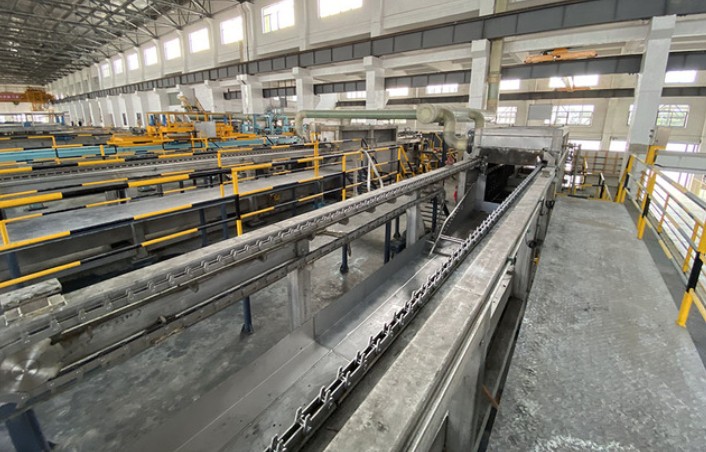
Electrolytic antimony equipment holds a unique and crucial position in the field of metal smelting. Antimony is an important strategic metal widely used in many industries. Electrolytic antimony equipment can efficiently and accurately extract high-purity antimony and is the core equipment for antimony smelting. However, its operation faces many key technologies and challenges, which are related to the sustainable development of the antimony smelting industry.
Impurity control
Arsenic impurities in electrolytes are extremely harmful, as they easily co-deposit with antimony, severely reducing product purity. Therefore, it is imperative to precisely control their concentration in electrolytes.
Cathode deposition quality
Inappropriate process parameters can lead to problems such as looseness, dendrite growth, and porosity in the antimony cathode deposits, causing difficulties in subsequent processing. The proper use of additives and precise control of current density are key to improving the quality of cathode deposition.
Environmental protection and safety
Hydrofluoric acid, a commonly used reagent in electrolysis, is highly corrosive and extremely toxic, requiring extremely high equipment sealing and strict protective measures for operators. Waste gas treatment must also be thorough. Anode mud contains toxic substances such as arsenic and is classified as hazardous solid waste; safe disposal or harmless treatment is essential.
Energy consumption problem
Electrolysis is an energy-intensive process, and the key to reducing production costs lies in lowering cell voltage and improving current efficiency. This requires not only optimizing equipment design and process parameters but also continuously exploring new energy-saving technologies. Only by overcoming these key technologies and effectively addressing various challenges can we drive the continuous upgrading of antimony electrolysis equipment and achieve efficient, environmentally friendly, and low-cost production.
As a key component of antimony smelting, electrolytic antimony equipment faces numerous technical challenges in areas such as impurity control, cathode deposition quality, environmental safety, and energy consumption. However, with continuous technological advancements and innovations, electrolytic antimony equipment will operate more efficiently, stably, and environmentally, injecting momentum into the high-quality development of the antimony smelting industry and propelling the antimony industry towards new heights.